
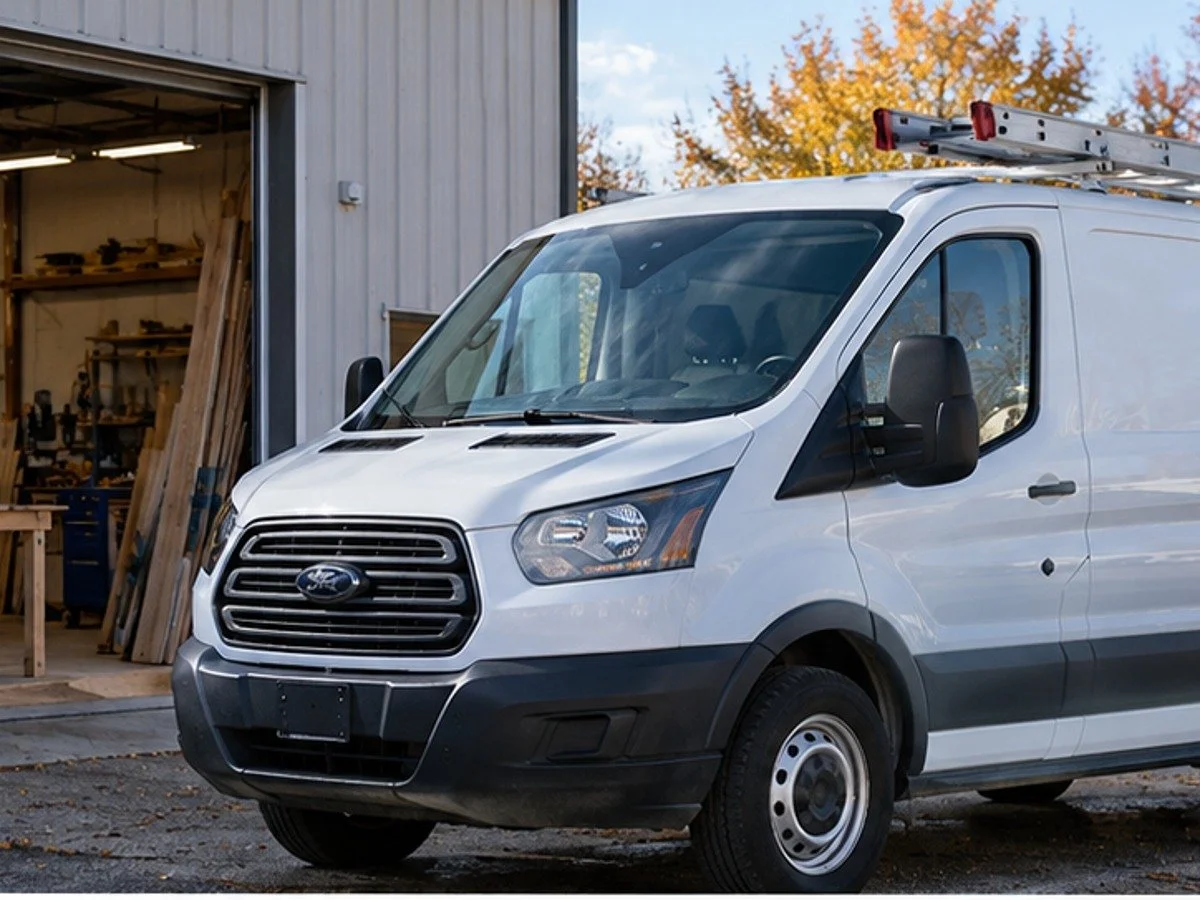
Before signing a commercial lease in Lansdale, take a close look at the insurance provisions. They may spell out liability limits, property coverage, additional insured requirements, and deadlines for providing proof of insurance. Since those requirements come from the lease itself, it's worth having your agent review the wording while you still have time to ask questions or negotiate changes.
When does a work vehicle need commercial auto insurance in Pennsylvania?
Pennsylvania requires liability insurance on registered motor vehicles. PennDOT lists minimum liability limits of $15,000 for injury or death to one person, $30,000 for injury or death to more than one person, and $5,000 for damage to someone else's property. These are legal minimums, not an assessment of what a business can afford to lose in a serious accident. Certain commercial transportation operations may have additional requirements. The right policy and limits depend on the operation.
Let's say you've bought a pickup for service calls or a van for deliveries. Even if the vehicle is registered in your own name, the way you use it can affect whether a personal policy applies. Your insurer will want to know who drives it, what it carries, and how often it's on the road for work. It's much easier to sort those details out before handing over the keys than after an accident.
Does the type of vehicle or its use change the answer?
Consider a consultant who occasionally drives a personal sedan to meet clients. That's a different situation from a plumber using a van for several jobs each day, or a shop owner making regular deliveries around Lansdale. The vehicle doesn't have to look commercial for the insurer to treat it differently. Explain the actual driving, including trips you might think are too ordinary to mention.
Tell your agent what the vehicle carries, how far it travels, where it is parked overnight, whether it tows a trailer, and whether anyone besides the owner will drive it. If the vehicle is financed or leased, review the lender's insurance requirements as well. Adding a second driver or a second vehicle later should trigger another review, not a silent assumption that the first arrangement covers everything.
Can an employee drive their own car for company errands?
They can, but that creates a separate insurance question. If an employee uses a personal vehicle to pick up materials, visit a customer, or make a bank run, the employee's personal auto coverage may respond first to an accident, subject to policy terms. Your business could still be named in a lawsuit arising from the trip. Hired and non-owned auto liability coverage can help address certain business liability exposures involving vehicles the company rents or does not own. It generally does not replace the employee's own auto insurance or pay to repair that employee's car.
It's worth having a written policy for employees who drive on company business. Make sure they know which trips are authorized, what insurance they must maintain, and when to report an accident. Bring that policy to your agent as well. Rules in an employee handbook can help you manage risk, but they don't change what an insurance contract covers.
What does a commercial auto policy actually cover?
Commercial auto policies can include several kinds of protection, depending on the insurer and the policy you choose:
Liability coverage for covered injuries or property damage caused to other people.
Collision coverage for covered damage to the insured vehicle following a crash.
Comprehensive coverage for certain noncollision losses, such as theft or weather damage.
Other coverage options, which may include applicable first-party benefits and uninsured or underinsured motorist protection.
The limits, deductibles, exclusions, and available options matter as much as the names of the coverages. Ask your agent to explain how Pennsylvania's rules apply to the particular commercial policy you're considering.
Do not assume the tools inside a van are covered by auto physical damage insurance. Tools, equipment, and inventory may need separate inland marine or business property protection. Likewise, commercial general liability insurance is not a substitute for auto liability arising from a vehicle accident. If you are adding a work truck and carrying expensive equipment, ask for both risks to be reviewed together. For a wider look at how vehicle coverage works alongside other business policies, read our guide to choosing the right business insurance coverage.
Are Pennsylvania's minimum auto limits enough for a Lansdale business?
Often they are not a comfortable planning target. A multi-vehicle collision can generate medical bills, lost-income claims, legal expenses, and property damage well above the statutory minimums. Higher liability limits may be appropriate, particularly if employees drive frequently or customers and contracts require them. A commercial umbrella policy may provide additional limits over eligible underlying policies, but it must be structured with the correct auto coverage and required underlying limits.
Price matters, especially when you are buying a vehicle and taking on a payment. Compare the premium difference between minimum and higher liability limits rather than deciding from the minimum alone. You should also compare deductibles and decide whether the business could replace the vehicle after a loss without physical damage coverage.
What should you do before buying or registering the vehicle?
Before you buy or register the vehicle, gather a few details so your agent can give you an accurate comparison:
Vehicle identification number (VIN), year, make, and model.
Who will own or lease the vehicle, and whether it will be financed.
How it will be used, what it will carry, and estimated annual mileage.
Where it will be parked overnight and who is likely to drive it.
The date you need coverage to begin.
If you're adding the vehicle to an existing policy, ask exactly when and how coverage applies. Don't count on an informal assurance that a new purchase is automatically protected; the policy terms control.
Once you have those details, compare liability limits, physical damage coverage, deductibles, and any hired and non-owned auto needs. Your agent can help you choose an effective date and obtain proof of coverage when the policy is bound. Keep that proof in the vehicle; PennDOT explains what documents are acceptable and the consequences of driving without required insurance.
How can Summit Stone Insurance help Lansdale businesses add a work vehicle?
At Summit Stone Insurance, we help Lansdale business owners review coverage for their work vehicles, including commercial auto and business liability needs. Before adding a vehicle, visit our Business Insurance quote page and fill out the quote form with details about your business and the vehicle you plan to use.
Frequently asked questions
-
Ordinary commuting is different from making deliveries or driving between customer sites for work. Tell your insurer about the actual use and obtain written confirmation of what the policy permits.
-
A registered truck must carry the required Pennsylvania motor vehicle insurance. A commercial policy may be necessary based on ownership, use, and insurer terms, even when the business owns only one truck.
-
Generally, commercial general liability policies exclude many auto-related losses. Commercial auto liability is designed for covered vehicle accidents.
-
Review hired and non-owned auto liability and the employees' personal insurance. Confirm who is authorized to drive and how work-related trips are documented.
-
Arrange the appropriate coverage before the vehicle is driven or placed into service. Confirm the effective date and obtain valid proof of insurance.
